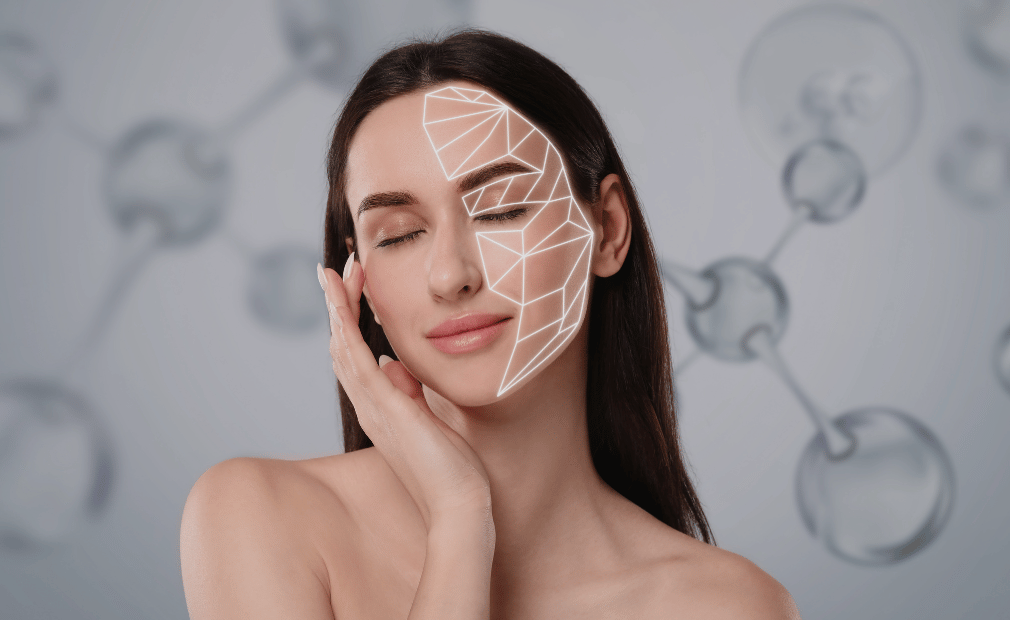
GHK-Cu is a copper-binding peptide formed when the GHK peptide binds to a copper ion. This complex significantly enhances the biological activity of GHK, especially in skin regeneration and tissue repair. GHK-Cu has been widely studied in dermatology and regenerative medicine for its ability to stimulate collagen production, promote wound healing, and improve skin quality.Read More
GHK (Glycyl-L-Histidyl-L-Lysine) is a naturally occurring tripeptide found in human plasma, saliva, and urine. It plays an important role in tissue repair, skin regeneration, and wound healing. GHK levels are highest during youth and gradually decline with age. Reduced levels are associated with slower healing, reduced collagen production, and visible signs of aging. In regenerative...Read More
Advances in metabolic and longevity medicine have identified several peptides and metabolic regulators that enhance mitochondrial function, improve fat metabolism, and optimize cellular energy production. Among the most promising compounds are SLU-PP-332, MOTS-C, and 5-Amino-1MQ. While all three support metabolic health, they work through different biological pathways and offer distinct clinical benefits. Understanding these differences...Read More
MOTS-C (Mitochondrial Open Reading Frame of the 12S rRNA-c) is a mitochondrial-derived peptide (MDP) that plays a critical role in regulating metabolism, insulin sensitivity, and cellular energy balance. Unlike most peptides encoded by nuclear DNA, MOTS-C is encoded by mitochondrial DNA, highlighting its unique role in cellular energy regulation and mitochondrial communication. MOTS-C has gained...Read More
What is 5-Amino-1MQ? 5-Amino-1MQ (5-Amino-1-methylquinolinium) is a metabolic regulator that works by inhibiting nicotinamide N-methyltransferase (NNMT), an enzyme involved in energy metabolism and fat storage. NNMT plays a role in regulating NAD+ metabolism, cellular energy production, and metabolic efficiency. Elevated NNMT activity has been associated with reduced metabolic efficiency and increased fat accumulation. By inhibiting...Read More
In recent years, global interest in longevity medicine has grown rapidly as individuals seek ways to maintain health, vitality, and performance throughout life. Rather than focusing solely on treating disease, longevity medicine aims to optimize biological systems and support healthy aging. Bangkok has emerged as one of the cities gaining attention in this field. Known...Read More
SLU-PP-332 is a novel metabolic peptide that activates estrogen-related receptors (ERRs), which are key regulators of mitochondrial function and cellular energy production. ERRs play an essential role in controlling energy metabolism, fat oxidation, and mitochondrial activity. By activating these pathways, SLU-PP-332 helps improve metabolic efficiency and supports the body’s ability to utilize fat as an...Read More
Medical tourism has evolved significantly in recent years. While many patients previously traveled abroad for surgical procedures, a new trend is emerging: medical wellness travel. This approach combines medical science with preventive health strategies, longevity medicine, and wellness-focused environments designed to support long-term vitality. As global interest in preventive healthcare continues to rise, medical wellness...Read More
Neuroregenerative and nootropic peptides are increasingly used in regenerative medicine to support brain health, cognitive function, emotional balance, and nervous system recovery. Three commonly used neuropeptide therapies are Cerebrolysin, Semax, and Selank. Each has distinct mechanisms and clinical applications. Understanding their differences helps determine the most appropriate therapy based on individual goals.Read More
Selank is a synthetic neuropeptide derived from tuftsin, a naturally occurring immune-regulating peptide. It is classified as a neuroregulatory and nootropic peptide that supports emotional balance, stress regulation, and cognitive function. Selank works by regulating neurotransmitters and supporting healthy brain signaling. It is commonly used in regenerative and functional medicine protocols to support stress resilience,...Read More