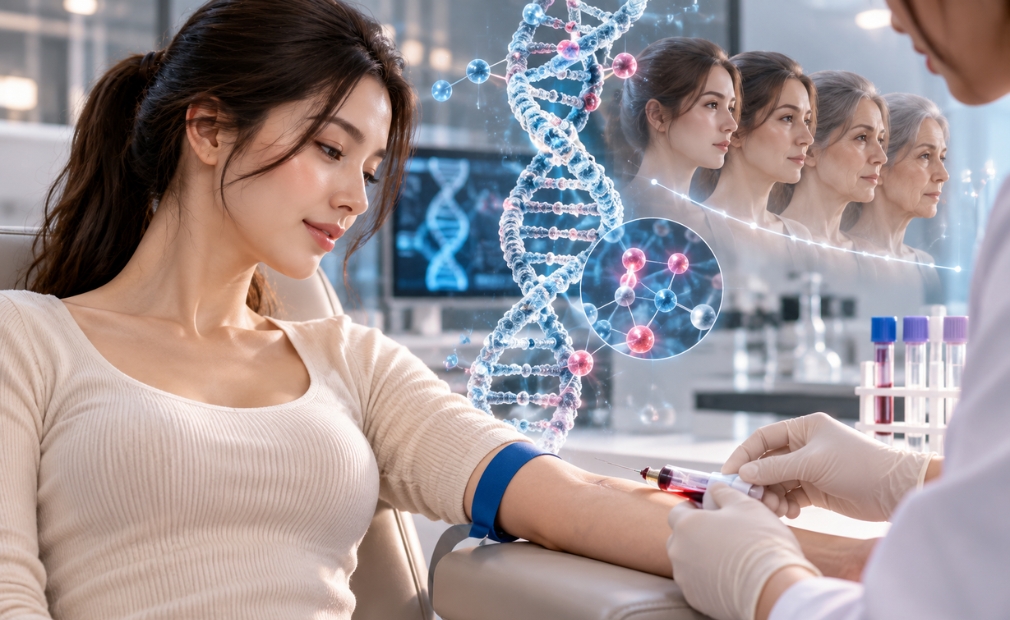
A DNA test analyzes an individual's genetic code to identify specific variations, known as single nucleotide polymorphisms (SNPs), that are associated with how the body processes nutrients, responds to exercise, metabolizes certain substances, and carries risk for particular health conditions. In a longevity and preventive medicine setting, DNA testing is used not to diagnose disease,...Read More
A Biological Age Test measures how quickly the body is aging at a cellular and molecular level, as distinct from chronological age — the number of years since birth. While chronological age is fixed and identical for everyone born on the same date, biological age reflects the cumulative impact of genetics, lifestyle, environment, and disease...Read More
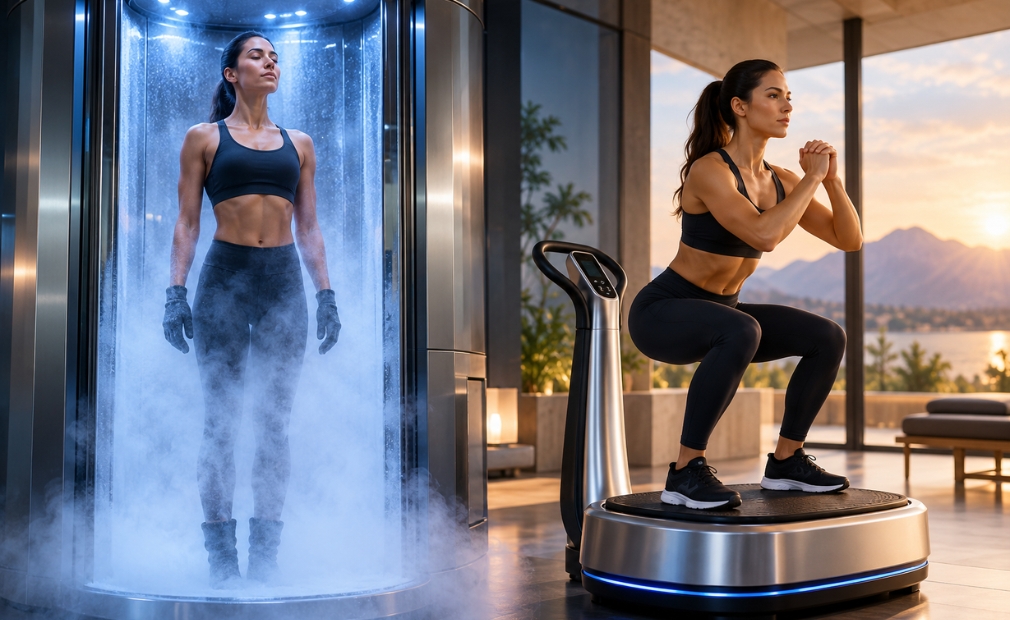
What Is Cryochamber Therapy? Whole-body cryotherapy involves standing in a specialized chamber that exposes the body to extremely cold, dry air — typically between -110°C and -140°C — for a short duration, usually two to four minutes. Unlike an ice bath, which uses water and cools tissue slowly and deeply, a cryochamber uses dry, cold...Read More
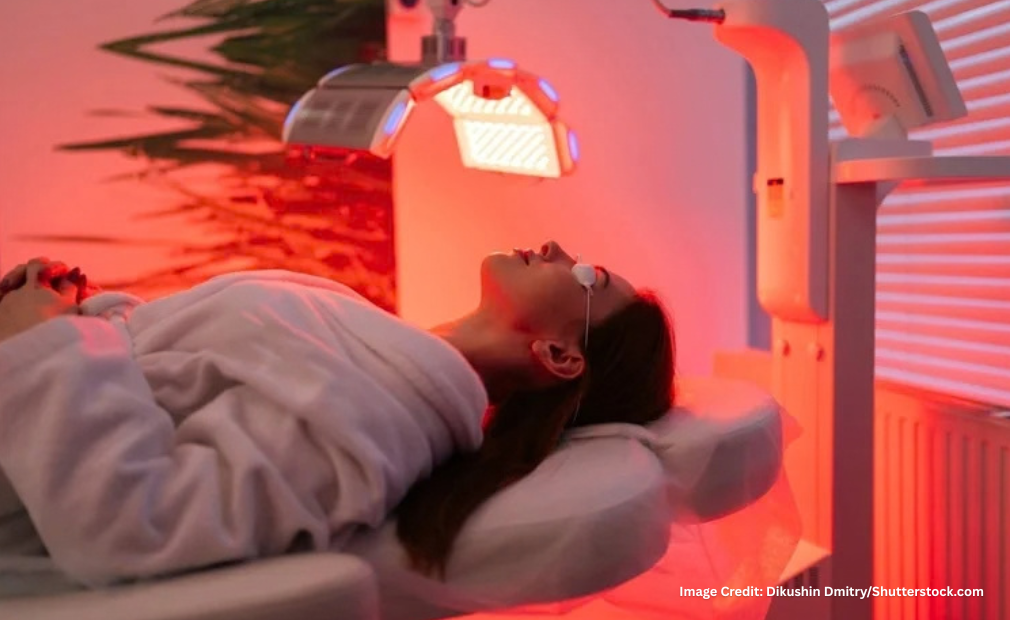
Red Light Therapy (RLT), also known as photobiomodulation (PBM) or low-level laser therapy (LLLT), is a non-invasive treatment that exposes the body to specific wavelengths of red and near-infrared light — typically in the 630–850 nanometer range. Unlike ultraviolet (UV) light, which damages skin cells and DNA, red and near-infrared light penetrate the skin gently...Read More
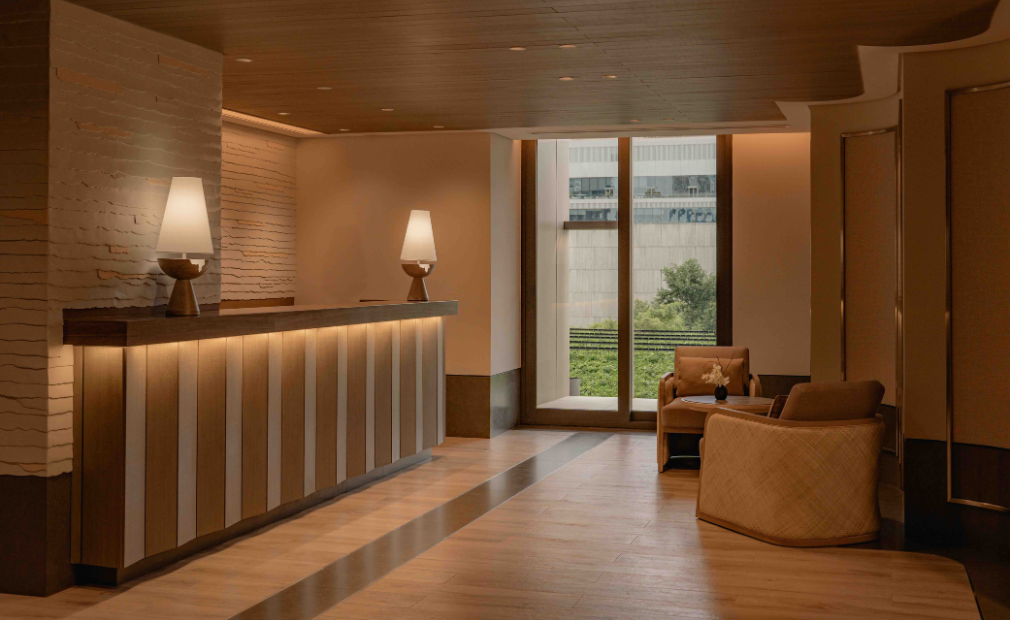
Where Clinical Medicine Meets Urban Sanctuary On the 8th floor of Aman Nai Lert Bangkok, within the seven-acre green seclusion of Nai Lert Park in the heart of the city’s Lumphini district, sits Medical Wellness by Hertitude Clinic — a physician-led longevity and wellness practice built into one of Bangkok’s most private luxury addresses. The...Read More
Recovery is not a passive state — it is an active physiological process. Between training sessions, metabolic stress, or simply the accumulated wear of daily life, the body relies on circulation, mitochondrial energy production, and the nervous system to repair tissue and restore balance. The Recovery Program at Hertitude brings together three distinct but complementary...Read More
Sleep plays a critical role in cellular repair, hormonal balance, cognitive function, and overall longevity. In regenerative and functional medicine, certain peptides are used to support sleep quality and circadian rhythm regulation. Two peptides often discussed in this area are DSIP (Delta Sleep–Inducing Peptide) and Epitalon (Epithalon). While both peptides influence sleep and recovery, they...Read More
Epitalon, also known as Epithalon, is a synthetic tetrapeptide derived from epithalamin, a natural peptide produced by the pineal gland. It has been studied for its potential role in supporting healthy aging, regulating circadian rhythms, and promoting cellular longevity. Epitalon is of particular interest in longevity and regenerative medicine because of its potential ability to...Read More
DSIP, or Delta Sleep–Inducing Peptide, is a naturally occurring neuropeptide associated with sleep regulation and circadian rhythm balance. It was first discovered in the human brain and is believed to play a role in promoting deep sleep and regulating the body’s natural sleep cycles. In regenerative and functional medicine, DSIP is used to support sleep...Read More
Advances in regenerative and longevity medicine have introduced several neuroactive peptides designed to support brain health, cognitive performance, and neurological recovery. Among the most widely discussed are Semax, Selank, and Cerebrolysin. Although these compounds all support brain function, they work through different biological mechanisms and are used for different therapeutic goals. Understanding the differences between...Read More